Deputy Commissioner Calls for Going Beyond Conventional Methods to Improve Education Quality

- Update Time : 01:56:48 pm, Tuesday, 15 September 2026
- / 15 Time View
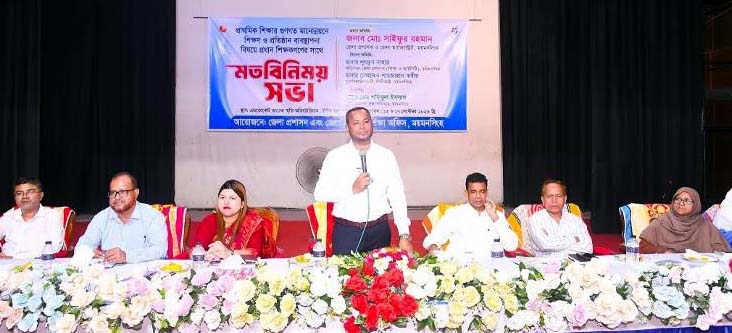
Mymensingh Deputy Commissioner Md. Saifur Rahman has emphasized the need to move beyond conventional practices and focus on accountability, self-reflection, and effective monitoring to improve the quality of education in educational institutions. He stated that the quality of education cannot be determined solely by good academic results, achieving a GPA-5, or securing scholarships. Human values, ethics, respect for elders, a sense of social responsibility, and the ability to apply acquired knowledge in real-life situations are also crucial components of quality education.
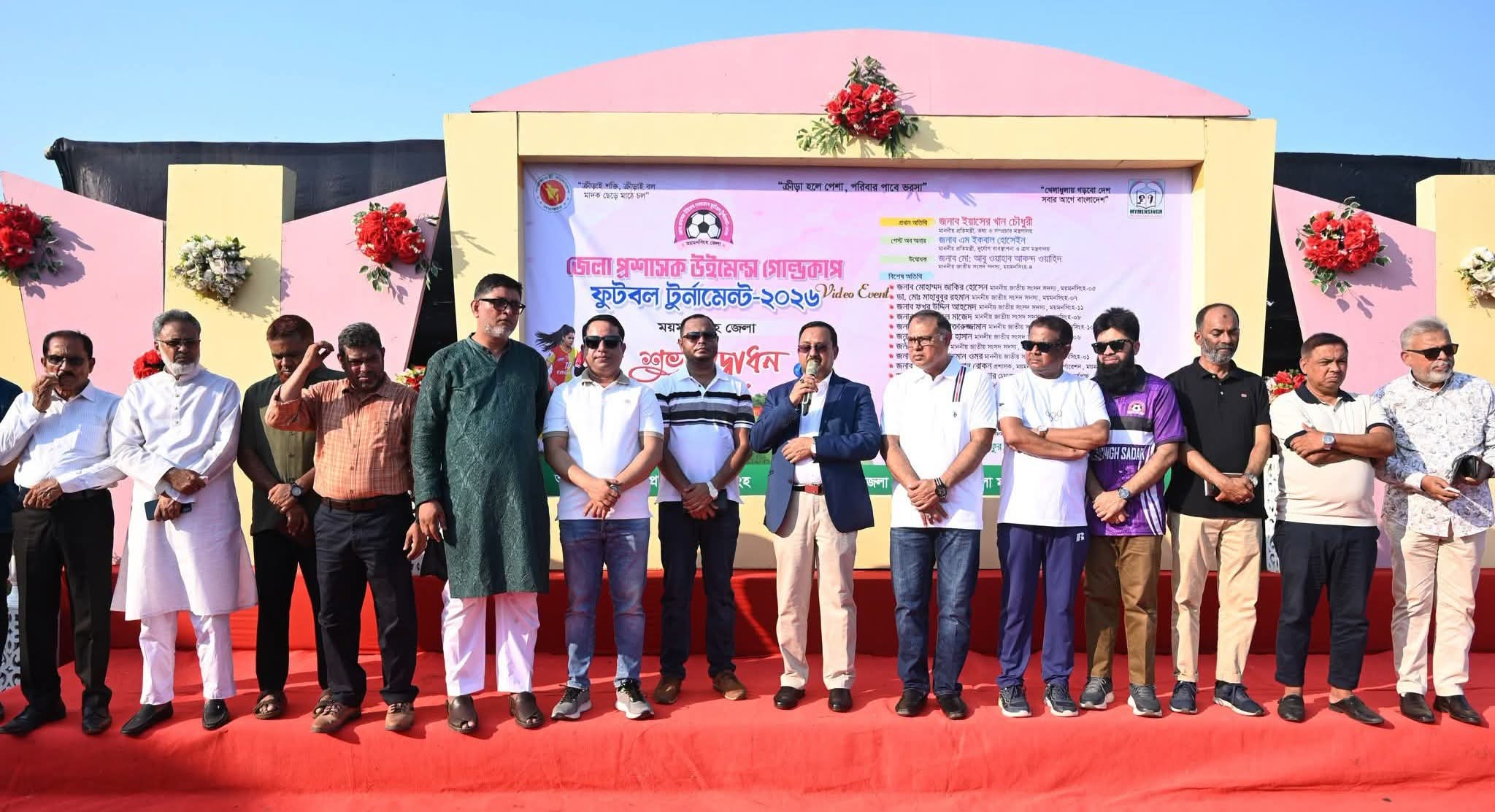
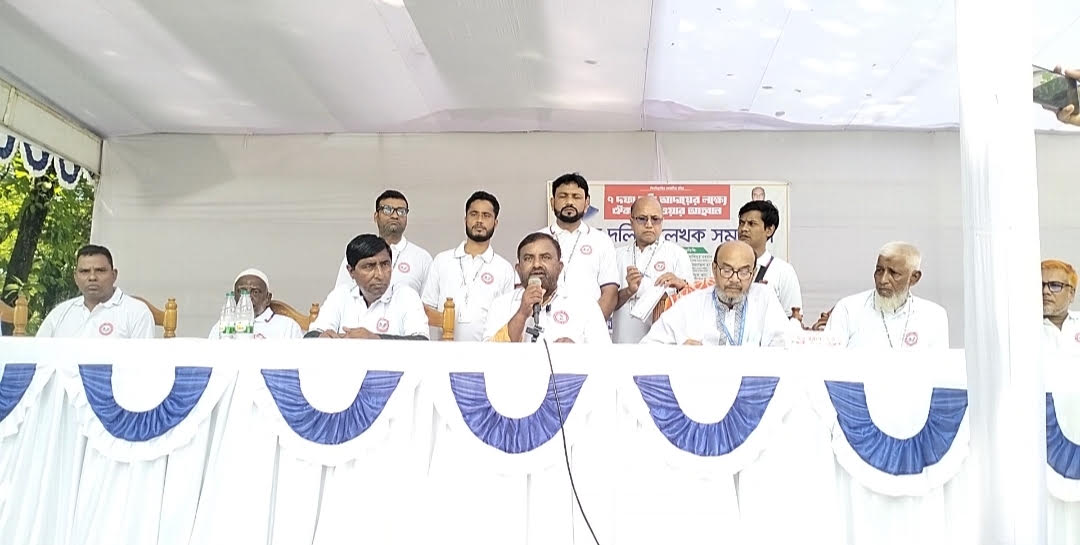
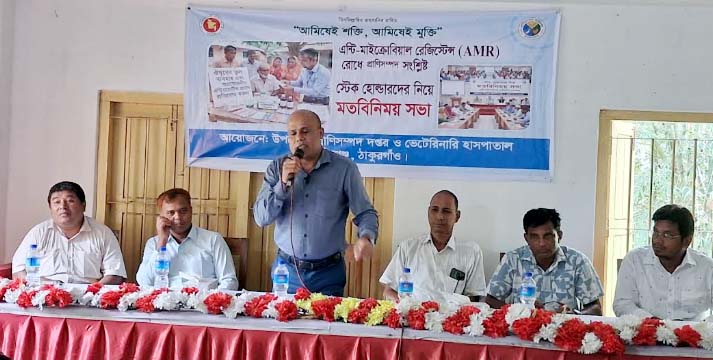
He made these remarks on Tuesday (September 15) while addressing a meeting with headteachers as the chief guest. The event, organized by the Mymensingh District Administration and the District Primary Education Office, focused on “Teaching and Institutional Management for Improving the Quality of Primary Education” and was held at the Advocate Tarek Smriti Auditorium in Mymensingh town. He further noted that while many educational institutions currently show high student enrollment figures on paper, actual classroom attendance remains extremely low. In some instances, students are failing to master even basic concepts, such as calculating percentages in elementary mathematics.
This is not merely a shortcoming on the part of the students; it is a matter requiring self-reflection for teachers, heads of institutions, and everyone involved in education management. Addressing the heads of educational institutions, he stated that the objective of monitoring is not simply to track attendance or absence, but to identify weaknesses and take measures to overcome them. If 50 percent of students in a class fail to grasp a fundamental concept, the concerned teacher must be given a specific timeframe to address and rectify that deficiency. Progress must subsequently be measured through further evaluation. He added that every school should operate by setting small, achievable goals.
Regarding the leadership role of headteachers, he remarked that the head of an institution must act not merely as an administrative official, but as a leader and a role model. Leadership cannot be established through intimidation or punishment. Instead, one must lead teachers and students by setting an example through one’s own actions. The head of the institution must personally set a precedent regarding punctual attendance, sincerity in discharging duties, and responsible behavior towards students. The Deputy Commissioner stated that alongside a certificate-oriented education system, students must be engaged in various co-curricular activities such as sports, music, dance, and poetry recitation.
Merely achieving good results in examinations does not transform a student into a person of quality character. The primary objective of education is to develop the ability to apply acquired knowledge and values in real life. Over the past few decades, the education system has undergone significant changes, and facilities and benefits have increased. Teachers’ benefits will continue to increase in the future; however, alongside these benefits, it is essential to ensure their sense of responsibility, professional dedication, and commitment to their students. He urged the heads of all institutions to play an effective role in improving the quality of education by identifying their respective schools’ weaknesses, setting measurable goals, ensuring regular monitoring, and evaluating progress at specific intervals.
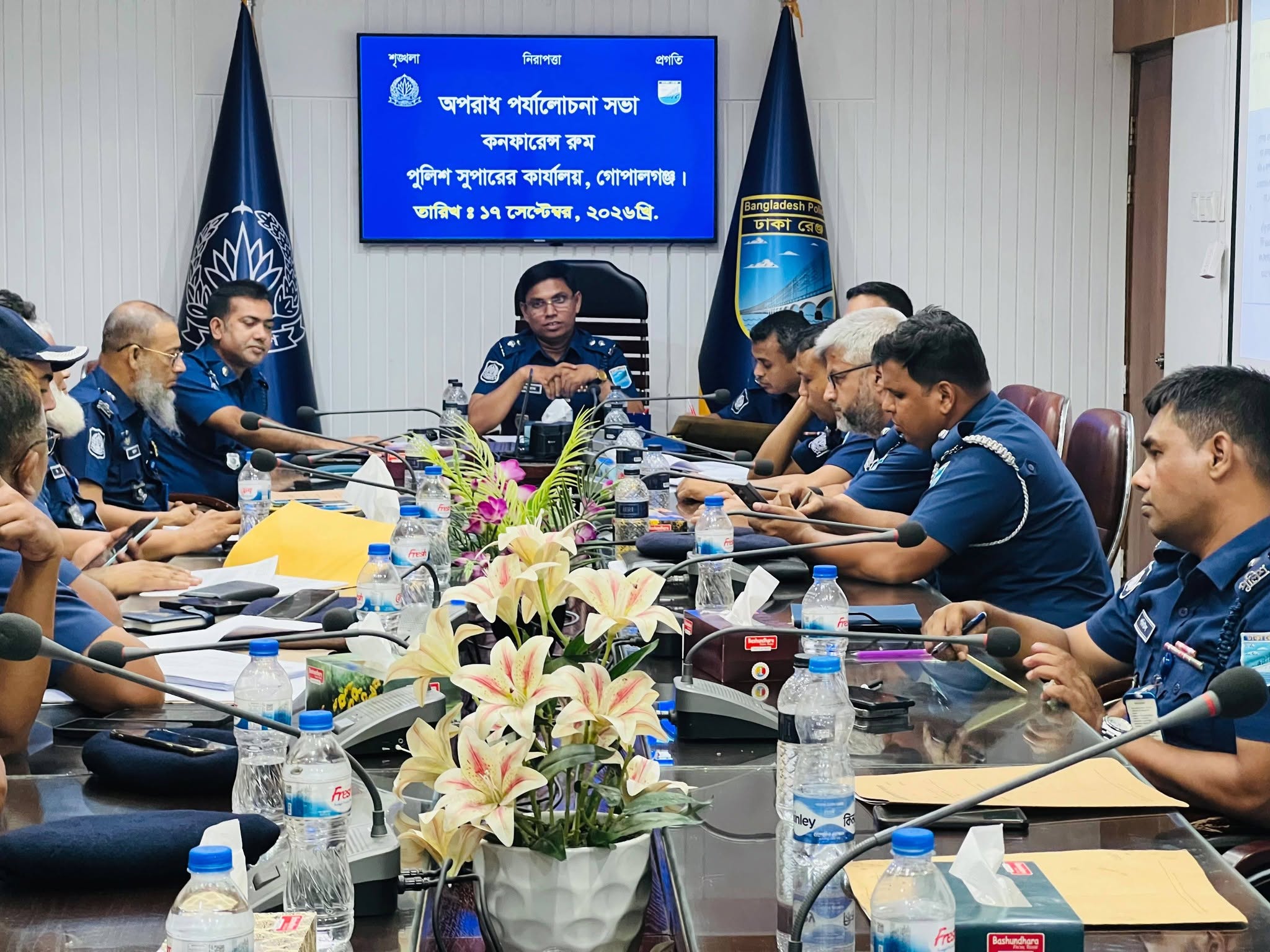
Presided over by Mymensingh District Primary Education Officer Md. Shafiqul Islam, the meeting was addressed by Additional Deputy Commissioner (Education and ICT) Lutfun Nahar and the Superintendent of the Mymensingh Primary Teachers’ Training Institute (PTI), Mohammad Shahjahan Kabir, as special guests. Head teachers from various government primary schools participated in the exchange meeting. During the meeting, they shared their views on improving the quality of primary education, school management, teaching methods, and various challenges and prospects at the field level.
Please Share This Post in Your Social Media
About Author Information