Dhaka 7:05 pm, Wednesday, 25 November 2026

Dialogue on How Salinity Hinders the Right to Safe Drinking Water in the Coastal Region of Khulna

Special Correspondent
  • Update Time : 11:05:35 am, Wednesday, 25 November 2026
  • / 2 Time View

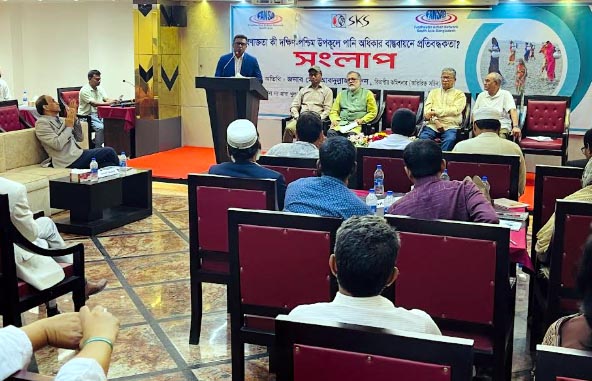
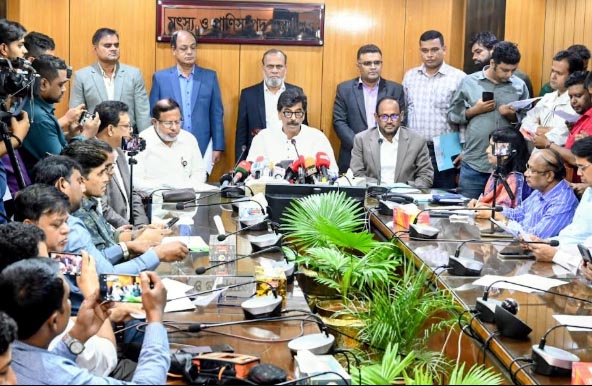
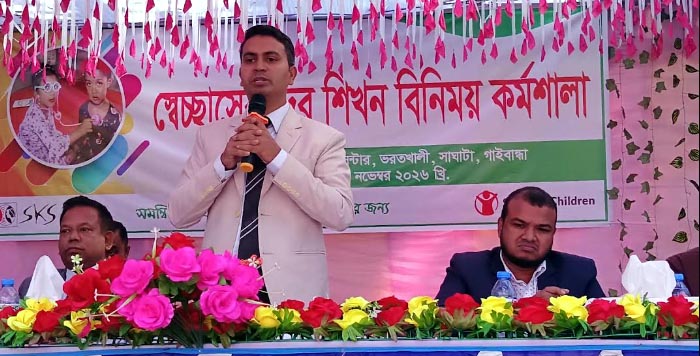
A dialogue was held regarding how salinity in the coastal region of Khulna is hindering the right to access safe drinking water. The event took place on Wednesday (November 25) at the conference room of The Grand Hotel in Khulna. It was organized by ‘Rupantar’—a member organization of FANSA-BD—and the Coastal Water Convention (CWC). The session was chaired by Professor Anwarul Kadir, Chairperson of the Sundarban Academy Trust, with Abu Sayed Md. Manjur Alam, Additional Divisional Commissioner (General) (Deputy Secretary), attending as the chief guest.

Other guests in attendance included: Ibrahim Md. Taimur, Executive Engineer, Department of Public Health Engineering; Khondokar Md. Fazlul Haque, Director, Department of Environment; Dr. Md. Abdur Rahim, Director, Divisional Livestock Department; Md. Badruzzaman, District Fisheries Officer; Md. Nazrul Islam, Deputy Director, Department of Agricultural Extension; Suraiya Siddika, Deputy Director, Department of Women Affairs; Khan Motahar Hossain, Deputy Director, Department of Social Services; Dr. Sheikh Md. Mosharraf Hossain, Divisional Director, Directorate General of Health Services; and Joseph Halder, Director of Advocacy and Communication at SKS Foundation and Country Convener of FANSA Bangladesh.

Panelists included Professor Dr. Nazia Hasan from the Environmental Science discipline at Khulna University; Professor Dr. Tushar Kanti Roy from the Department of Urban and Regional Planning at Khulna University of Engineering & Technology (KUET); environmental activist and ‘Poshur Riverkeeper’ Nur Alam Sheikh; and Suman Saha, a Capacity Development Expert at WaterAid Bangladesh. Shamim Arefin, Member Secretary of the Coastal Water Convention, delivered the welcome address and outlined the objectives of the dialogue.

The panelists noted that, due to the impacts of climate change, salinity levels are steadily rising in the coastal districts of Satkhira, Khulna, and Bagerhat in southwestern Bangladesh. Rising sea levels, cyclones, and storm surges—compounded by unplanned shrimp farming—are damaging both groundwater and surface water sources in these areas. As a result, it has become difficult for local communities to access safe, potable water. Women, children, and marginalized groups are disproportionately affected by this crisis. Speakers emphasized that access to safe, potable water is a fundamental human right.

Furthermore, Goal 6 of the United Nations Sustainable Development Goals (SDGs) mandates ensuring safe water and sanitation for all. During the meeting, several recommendations were put forward to address the safe water crisis in coastal regions. These include constructing durable embankments in vulnerable areas to protect freshwater ponds and water bodies from saline water intrusion during storm surges; regulating unplanned shrimp farming; reclaiming and re-excavating freshwater ponds and canals from illegal encroachment; and implementing rainwater harvesting systems.

Additionally, it was recommended that water tanks be provided to poor families in areas where groundwater is unfit for consumption; that solar-powered reverse osmosis (RO) plants be installed in highly saline zones; and that appropriate technologies be deployed to facilitate the supply of safe water. For areas where fresh water is available at greater depths, the installation of deep tube wells—free from arsenic and iron contamination—and the establishment of piped water supply systems for rural communities were also proposed.

Speakers called for a separate and adequate allocation for potable water in the national budget specifically for the southwestern coastal districts, as well as dedicated funding for this sector within the Annual Development Programs (ADP) of local governments. The meeting was attended by government officials, local government representatives, researchers specializing in water and climate issues, academics, members of civil society, representatives from national and international development organizations, media personnel, and members of the coastal communities. The dialogue concluded with closing remarks from Swapan Kumar Guha, Executive Director of ‘Rupantar’.

Tag :

Please Share This Post in Your Social Media

Write Your Comment

Your email address will not be published. Required fields are marked *

Save Your Email and Others Information

About Author Information
Dialogue on How Salinity Hinders the Right to Safe Drinking Water in the Coastal Region of Khulna

Update Time : 11:05:35 am, Wednesday, 25 November 2026

A dialogue was held regarding how salinity in the coastal region of Khulna is hindering the right to access safe drinking water. The event took place on Wednesday (November 25) at the conference room of The Grand Hotel in Khulna. It was organized by ‘Rupantar’—a member organization of FANSA-BD—and the Coastal Water Convention (CWC). The session was chaired by Professor Anwarul Kadir, Chairperson of the Sundarban Academy Trust, with Abu Sayed Md. Manjur Alam, Additional Divisional Commissioner (General) (Deputy Secretary), attending as the chief guest.

Other guests in attendance included: Ibrahim Md. Taimur, Executive Engineer, Department of Public Health Engineering; Khondokar Md. Fazlul Haque, Director, Department of Environment; Dr. Md. Abdur Rahim, Director, Divisional Livestock Department; Md. Badruzzaman, District Fisheries Officer; Md. Nazrul Islam, Deputy Director, Department of Agricultural Extension; Suraiya Siddika, Deputy Director, Department of Women Affairs; Khan Motahar Hossain, Deputy Director, Department of Social Services; Dr. Sheikh Md. Mosharraf Hossain, Divisional Director, Directorate General of Health Services; and Joseph Halder, Director of Advocacy and Communication at SKS Foundation and Country Convener of FANSA Bangladesh.

Panelists included Professor Dr. Nazia Hasan from the Environmental Science discipline at Khulna University; Professor Dr. Tushar Kanti Roy from the Department of Urban and Regional Planning at Khulna University of Engineering & Technology (KUET); environmental activist and ‘Poshur Riverkeeper’ Nur Alam Sheikh; and Suman Saha, a Capacity Development Expert at WaterAid Bangladesh. Shamim Arefin, Member Secretary of the Coastal Water Convention, delivered the welcome address and outlined the objectives of the dialogue.

The panelists noted that, due to the impacts of climate change, salinity levels are steadily rising in the coastal districts of Satkhira, Khulna, and Bagerhat in southwestern Bangladesh. Rising sea levels, cyclones, and storm surges—compounded by unplanned shrimp farming—are damaging both groundwater and surface water sources in these areas. As a result, it has become difficult for local communities to access safe, potable water. Women, children, and marginalized groups are disproportionately affected by this crisis. Speakers emphasized that access to safe, potable water is a fundamental human right.

Furthermore, Goal 6 of the United Nations Sustainable Development Goals (SDGs) mandates ensuring safe water and sanitation for all. During the meeting, several recommendations were put forward to address the safe water crisis in coastal regions. These include constructing durable embankments in vulnerable areas to protect freshwater ponds and water bodies from saline water intrusion during storm surges; regulating unplanned shrimp farming; reclaiming and re-excavating freshwater ponds and canals from illegal encroachment; and implementing rainwater harvesting systems.

Additionally, it was recommended that water tanks be provided to poor families in areas where groundwater is unfit for consumption; that solar-powered reverse osmosis (RO) plants be installed in highly saline zones; and that appropriate technologies be deployed to facilitate the supply of safe water. For areas where fresh water is available at greater depths, the installation of deep tube wells—free from arsenic and iron contamination—and the establishment of piped water supply systems for rural communities were also proposed.

Speakers called for a separate and adequate allocation for potable water in the national budget specifically for the southwestern coastal districts, as well as dedicated funding for this sector within the Annual Development Programs (ADP) of local governments. The meeting was attended by government officials, local government representatives, researchers specializing in water and climate issues, academics, members of civil society, representatives from national and international development organizations, media personnel, and members of the coastal communities. The dialogue concluded with closing remarks from Swapan Kumar Guha, Executive Director of ‘Rupantar’.