‘Save the River’ movement’s Faridpur district committee submits memorandum with 17-point demand

- Update Time : 03:16:32 pm, Monday, 23 November 2026
- / 0 Time View
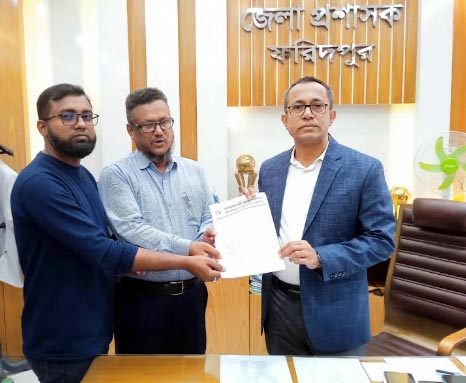
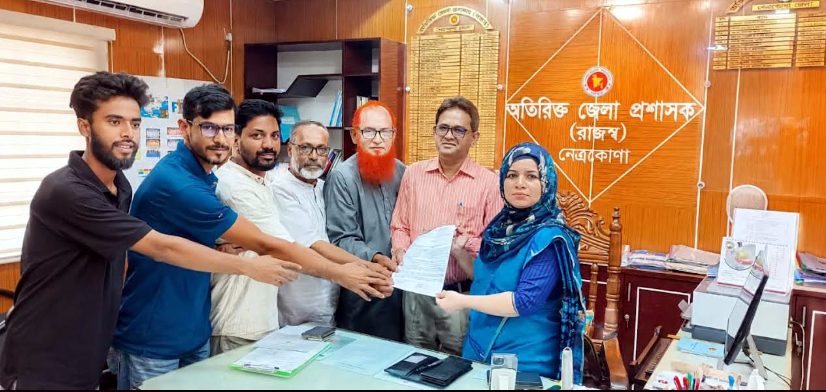
The Faridpur district committee of the ‘Bangladesh Nodi Bachao Andolon‘ (Save the Rivers Movement, Bangladesh) has submitted a memorandum to the Prime Minister—via the Faridpur Deputy Commissioner—calling for the implementation of a 17-point demand aimed at protecting the nation’s rivers. These demands include putting an end to river encroachment, pollution, and illegal sand extraction.
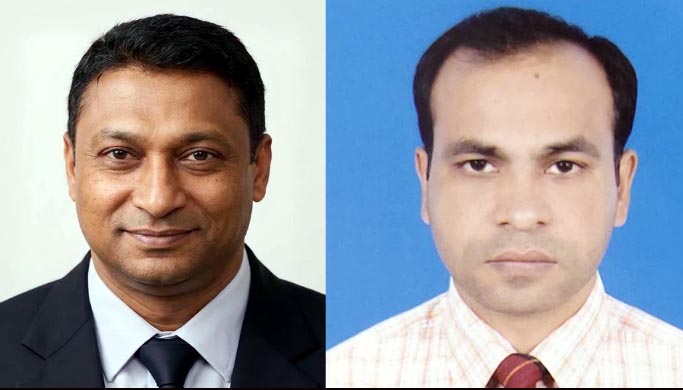
The memorandum was submitted on Monday (November 23) at approximately 1:00 PM. Present on the occasion were M. A. Mueed Hossain (Arif), General Secretary of the Faridpur district branch of the organization, along with other leaders, activists, and members. In the memorandum, the organization expressed its appreciation for the various measures taken by the government to protect the environment, while simultaneously urging for effective initiatives to safeguard rivers and address public demands.
The memorandum notes that the government’s recent efforts—such as taking a strong stance on environmental protection at global climate summits and implementing nationwide tree-planting programs—are highly encouraging. However, the situation regarding rivers and the environment remains a cause for concern at the grassroots level. Issues such as severe flooding during the monsoon, water shortages in the dry season, the untimely release of water from upstream, river encroachment, illegal sand extraction, pollution from industrial waste and plastics, riverbank erosion, and the destruction of fisheries continue to persist. The Kumar River in Faridpur serves as a prime example of these challenges.
The organization’s 17-point demand includes: forming committees—comprising representatives from relevant government departments, experts, and the ‘Save the Rivers Movement’—to oversee river-related projects, with a mandate that their input be considered compulsory; ensuring that Effluent Treatment Plants (ETPs) in industrial facilities remain operational 24 hours a day; establishing permanent survey committees at the district level to identify and remove illegal river encroachments; conducting systematic river excavation and dredging; restoring extinct or degraded rivers, canals, ponds, and large water bodies; and halting the illegal extraction of sand and stone. Furthermore, demands were made for the implementation of effective measures to prevent riverbank erosion, the reconstruction of river ports, the removal of poorly planned bridges and culverts, the planting of native aquatic and mangrove-type vegetation along riverbanks, the establishment of sanctuaries for fish and aquatic life, and the formation of a regional river commission to ensure a fair share of water during the dry season.
The memorandum further states that to ensure a fair share of water from shared rivers, Bangladesh should ratify the 1997 UN Convention on the Law of the Non-Navigational Uses of International Watercourses, and the diplomatic efforts of the Joint Rivers Commission must be strengthened. Additionally, the memorandum calls for the introduction of water recycling systems in polluted rivers, the inclusion of river conservation topics in textbooks, the provision of alternative employment and financial incentives for fishers during breeding seasons, the implementation of early warning systems in flood-prone areas, and the enforcement of strict legal measures to stop the dumping of plastic, polythene, and household waste into rivers.
The concluding part of the memorandum notes that the implementation of these 17 demands would bring about positive changes in the protection of the country’s rivers, aquatic environments, and fisheries resources. At the same time, it would allow the rivers to regain their vitality and make the government’s commitment to environmental conservation more effective. Upon receiving the memorandum on behalf of the organization, a special request was made to the Prime Minister to issue necessary directives to the relevant ministries and departments.
Please Share This Post in Your Social Media
About Author Information