Quarterly Meeting of Community Education Watch Group Held in Phulchhari

- Update Time : 12:25:47 pm, Saturday, 17 October 2026
- / 13 Time View
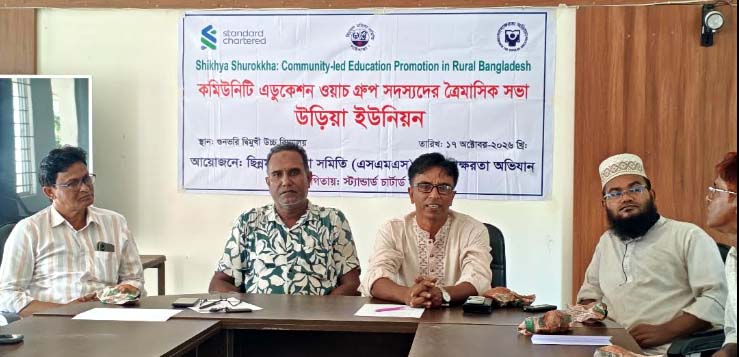
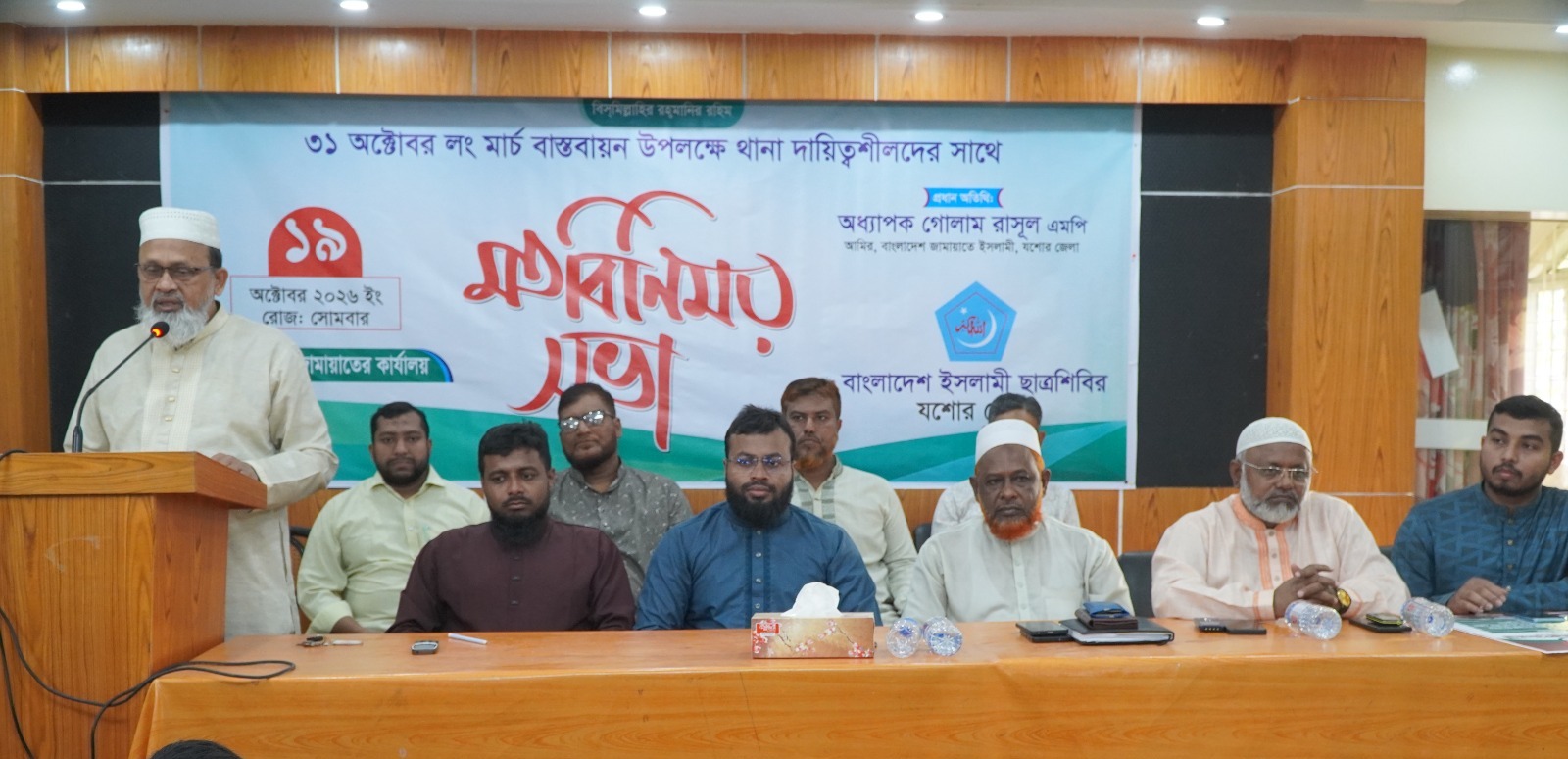
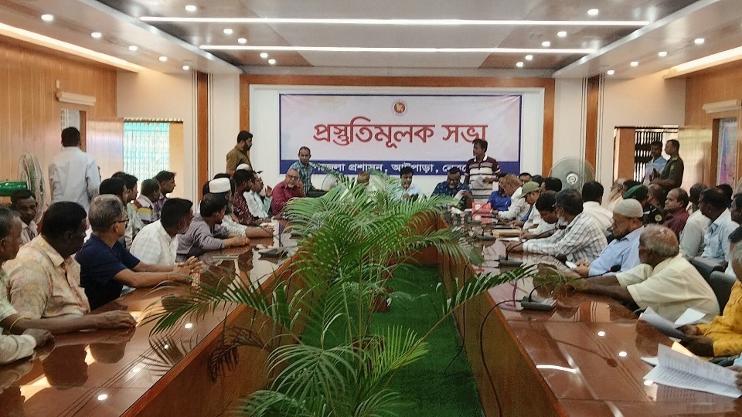
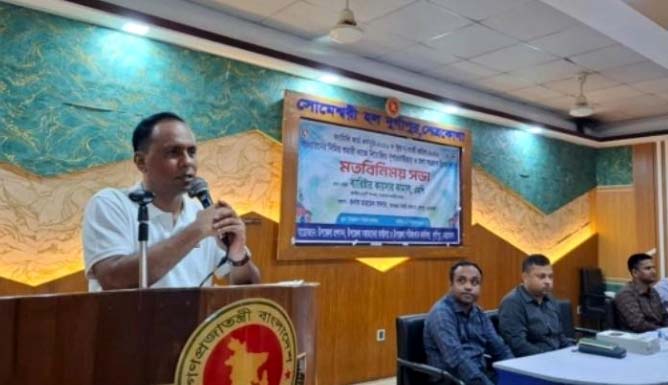
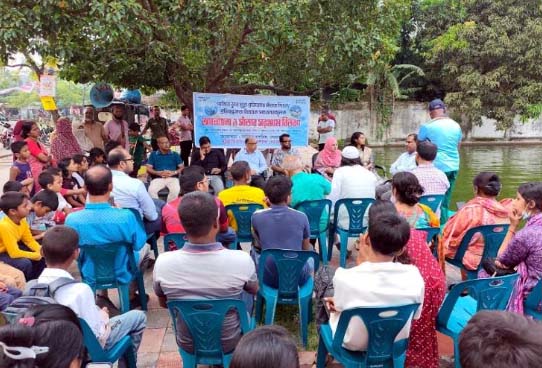
A quarterly meeting of the ‘Community Education Watch Group’ was held in Uriya Union of Phulchhari Upazila, Gaibandha, with the aim of promoting education, preventing school dropouts, and fostering educational development at the rural level. The meeting took place on Saturday (October 17) at Gunbhari Bilateral High School, under the project titled “Education Protection: Community-Led Promotion of Education in Rural Bangladesh.”
The initiative was implemented by ‘Chhinnamul Mahila Samity’ and ‘Gonosakkharata Abhijan’ (Campaign for Popular Education), with support from Standard Chartered Bank. Presided over by Moyen Uddin, Chairperson of the Community Education Watch Group, the meeting featured addresses by several individuals, including ABM Masudunnabi Pramanik Lipon, Deputy Director of Chhinnamul Mahila Samity; Sultana Parvin, Vice-Chairperson of the group; Mozammel Haque, President of the Managing Committee of Gunbhari Bilateral High School; Headmasters Matlubar Rahman and Razia Sultana; teachers Ferdousi Begum, Abdul Barek, Abdur Razzak, and Jibannahar Jui; Ahsan Ul Karim, Coordinator of the ‘Education Protection’ project; and journalist Aminul Haque.
Discussions at the meeting focused on improving the local educational environment, ensuring students remain in school, and increasing the participation of parents and the broader community in educational activities. Speakers emphasized the need for coordination among families, educational institutions, and the local community to enhance the quality of education in rural areas and ensure regular school attendance by students. They highlighted the vital role the community plays in fostering students’ interest in their studies, identifying children at risk of dropping out, and addressing education-related challenges.
The meeting underscored the importance of members of the Community Education Watch Group acting responsibly to support educational development and raising awareness at the local level. Additionally, 75 packets of sanitary napkins—each containing 16 units—were distributed for the use of female students across three secondary schools in the Upazila.
Please Share This Post in Your Social Media
About Author Information