Barishal Can Become a National Role Model for Tobacco Control and Public Health Protection

- Update Time : 12:48:05 pm, Sunday, 18 October 2026
- / 11 Time View
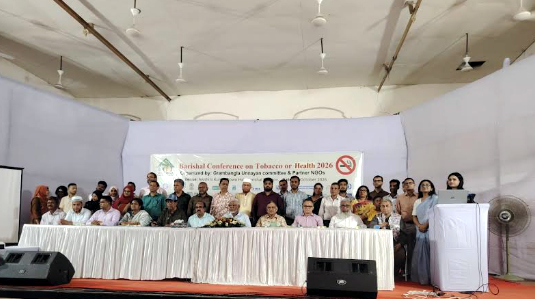
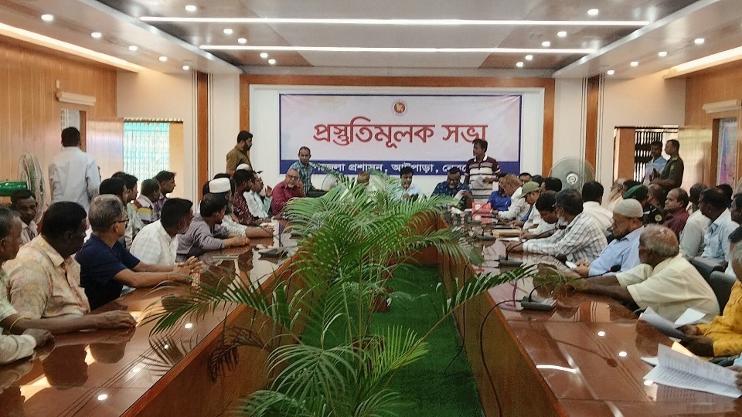
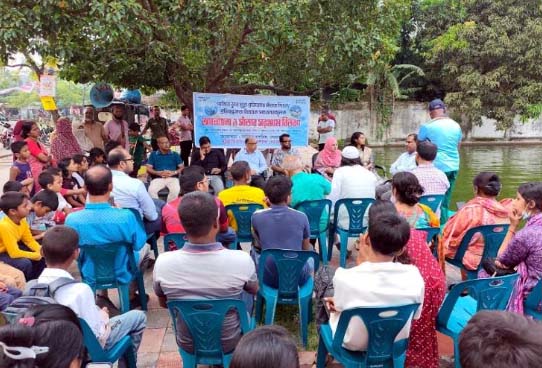
Barishal Division boasts the highest literacy rate in the country. According to the latest Population and Housing Census, the literacy rate in this division stands at 84.3 percent. If this high level of literacy is effectively harnessed, Barishal could emerge as a national role model for tobacco control and the protection of public health. To achieve this, concerned citizens must collaborate with various government institutions to ensure the implementation of tobacco control laws. Simultaneously, it is essential to raise awareness about the harmful effects of tobacco while ensuring the strict enforcement of laws in cases of violations. These points were highlighted by speakers at the ‘Barishal Conference on Tobacco or Health 2026,’ held today, Sunday (October 18, 2026), at the Ashwini Kumar Town Hall in Barishal city.
The conference, organized under the theme, “Do we want to use tobacco products (cigarettes, bidis, e-cigarettes, *jarda*, *gul*, *sadapata*, etc.), or do we want a healthy, beautiful life?”, took place from 10:00 AM to 5:00 PM. The inaugural session commenced with welcome remarks from Advocate Syed Mahbubul Alam, Chairman of the conference’s Steering Committee. During the event, A.K.M. Maksud—Executive Director of the Grambangla Unnayan Committee and Member Secretary of the ‘Barishal Conference on Tobacco or Health 2026’—presented a keynote paper titled, “Tobacco-Free Bangladesh by 2040: From Political Commitment to Effective Implementation.”
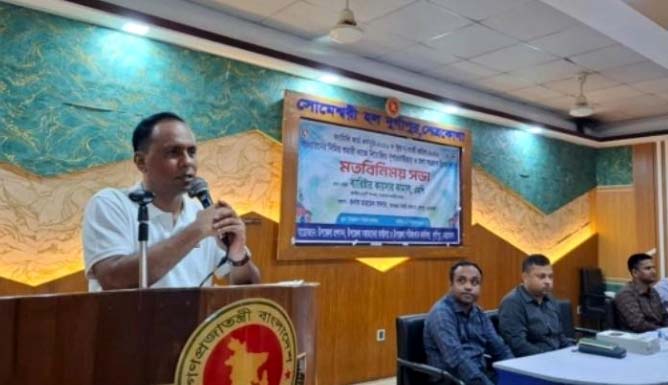
Other notable speakers at the event included Bashir Gazi, Additional District Magistrate of Jhalokathi; Dr. Md. Mahbubur Rahman, former Divisional Director of Health for Barishal; Abdul Kader, Director of the development organization ‘Setu’; Iqbal Masud, Director (Health and WASH) at Dhaka Ahsania Mission; and Professor Md. [Name incomplete in original text], Principal of Government Syed Hatem Ali College. Akhtaruzzaman Khan; Kashfia Kabir Oishi, Executive Magistrate of Barishal; AHM Samsul Islam Dipu, Executive Director of the development organization ‘Speed Trust’; and Kazi Jahangir Kabir, Executive Director of ‘Saint Bangladesh’.
Shubhankar Chakraborty, Convener of the Organizing Committee, delivered the concluding remarks at the conference. During the event, A.B.K. Reza, Project Coordinator of ‘Grambangla Unnayan Committee’, presented information on tobacco control activities and initiatives in Barishal, while Shagufta Sultana, Project Director of ‘Setu’, discussed guidelines for tobacco control and the role of local government. Speakers at the conference emphasized the importance of collective social awareness to protect the youth from the harmful effects of tobacco and to ensure the effective enforcement of tobacco control laws.
Syeda Ananya Rahman, Head of Programs at ‘WBB Trust’, spoke on the role of the national alliance in tobacco control, while tobacco control officer Fahmida Islam highlighted how the tobacco industry targets the youth through digital marketing. Additionally, tobacco control experts Shah Alam Khalifa and Rafiqul Islam Panna shared experiences from Jhalokathi and Pirojpur districts. Following an open discussion, Co-chair Dr. Suprabhat Haldar and Session Chair Iqbal Masud delivered concluding remarks. In the second session of the day, three research papers and presentations on tobacco control, tax policy, and public awareness were presented.
Presentations included: Md. Zakaria Habib (BCCP) on generating local evidence; Firoz Ahmed (NATAB) on the intersection of tuberculosis and tobacco control; Ibrahim Khalil (Economic Research Bureau, University of Dhaka) on the misuse of the phrase “and above” in budget proposals and flaws in pricing structures; Moazzem Hossain Tipu (DAS) on tobacco-free water transport systems; and Mohammad Jabir Bin Solaiman on policies for tobacco-free campuses at public universities. The conference was conducted by Sadia Rahman and Rafia Islam, Program Officers at the Grambangla Unnayan Committee.
Please Share This Post in Your Social Media
About Author Information