ACD Brings Farmers and Experts Together to Map Climate Risks to Local Food Systems in Rajshahi

- Update Time : 10:54:40 am, Saturday, 14 November 2026
- / 10 Time View
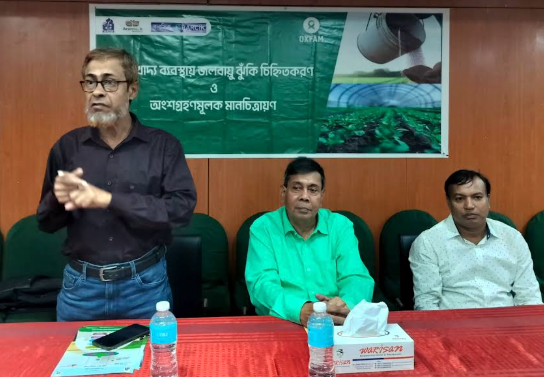
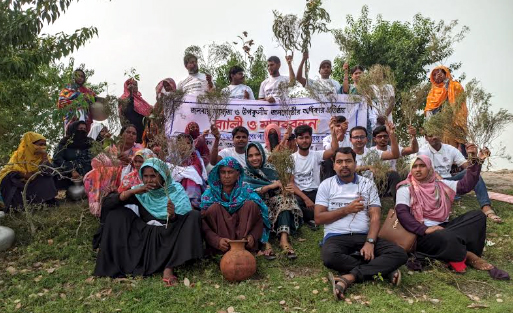
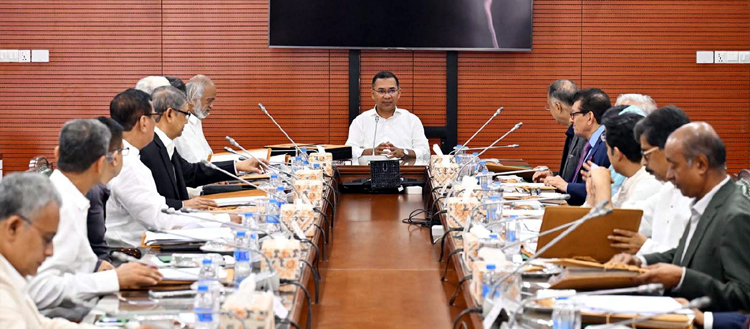
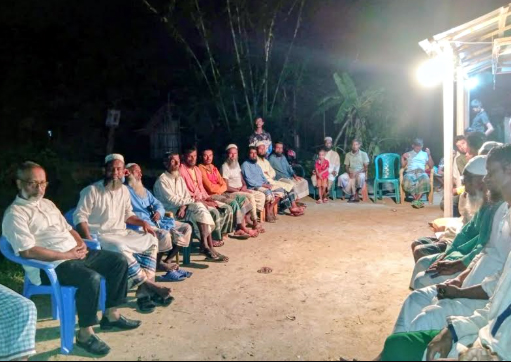
Association for Community Development (ACD), with support from Oxfam in Bangladesh, organised a participatory mapping exercise on climate risks to local food systems at Hotel Warisan, Rajshahi, under its Cultivating Change Project. The event brought together agricultural experts, women and Indigenous farmers, community representatives and government officials from Tanore, Godagari and Rajshahi city to identify local climate risks and explore practical solutions for resilient agriculture and sustainable livelihoods.
The event was attended by Professor Dr. Md. Mahmudul Hasan, Chairperson, Department of Agronomy and Agricultural Extension, University of Rajshahi; Professor Dr. Ruhul Amin of the same department; and Professor Dipkendra Nath Das, former Chairman of the Board of Intermediate and Secondary Education (BISE), Rajshahi, alongside other agricultural professionals and stakeholders. The programme was moderated by Subrata Kumar Paul, Project Coordinator, ACD.
Through participatory mapping, group discussions and problem analysis, participants identified key challenges, including prolonged drought, irregular rainfall, soil erosion, water scarcity, declining ecosystem health and limited access to quality seeds. Women and Indigenous farmers shared their experiences of how these challenges affect agricultural production and household livelihoods.
Emphasising the importance of combining scientific knowledge with farmers’ experiences, Professor Dr. Md. Mahmudul Hasan highlighted the need for locally appropriate, evidence-based agricultural solutions. Professor Dr. Ruhul Amin stressed the role of agro-ecological practices in strengthening food systems and helping farmers adapt to climate change. Professor Dipkendra Nath Das emphasised stronger collaboration among farmers, agricultural experts, government institutions and development organisations.
The exercise also identified vulnerable agricultural areas, water sources, seed conservation sites and local ecosystems. Participants discussed practical measures, including climate-resilient agro-ecological practices, indigenous seed conservation, sustainable water management and ecosystem restoration.
A key focus was ensuring the meaningful participation of women and Indigenous farmers in identifying local priorities and shaping climate adaptation solutions. The findings and recommendations will inform future project planning and locally led agro-ecological interventions in Tanore and Godagari, contributing to stronger community resilience and more sustainable food systems.
Please Share This Post in Your Social Media
About Author Information