

Headline :
Notice :

Humanitarian Crisis: Humanity Crushed by Discrimination

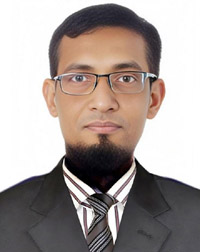
Dr. Md. Anwar Hossain
215 Time View
Update :
Monday, December 29, 2025
The foundation of an independent and sovereign state is equality, human dignity and social justice. The Constitution of Bangladesh guarantees the protection of life and equal protection of the law to every citizen. But if we analyze the context of 53 years, we see that the application of the word ‘humanity’ here has become dependent on individual, group and political identity to this day. When one side receives sympathy in the same incident and the other side is neglected or sued, then even though everyone’s blood is red, the political and communal label that is being applied to the body of a citizen is basically an expression of a deep humanitarian crisis. The wounds of discrimination deep-rooted in
Bangladeshi society and state structures have become very evident in some incidents. Humanity is not the ancestral property of any particular group, religion or political ideology. Although every life is supposed to have equal value in a democratic and independent state, we are witnessing a strange ‘human division’ in contemporary Bangladesh. Somewhere the dead body is being attacked, somewhere they are standing next to the dead body. Somewhere instead of punishing the murderer, comfort is being given, while somewhere there is no one to take care of the lives lost in secret. This two-faced behavior is not only discrimination, but it is a grave attack on the fundamental pillar of the state – equality of justice. When the color of conscience is determined by political or religious glasses despite the color of blood being red, then it must be understood that there is a famine of humanity in society.
The sensitivity and responsibility shown by the state after the death of the Milestone School students in the plane crash is commendable, but when compared with other incidents, a huge gap emerges. This disparity proves that society is also measuring the death of a citizen by his ‘political allegiance’ or ‘type of accident’. The government’s prompt assurance and promise of security after the recent assassination of Shariful Osman Hadi and the attacks on the offices of ‘Prothom Alo’ and ‘The Daily Star’ are the general responsibility of ensuring citizen security. But the question arises when the same importance is absent in other cases. Why is the activity to protect the powerful or influential stagnant in the case of the common man? The silence after the killing of Dipu Chandra Das of Mymensingh by extremists, despite him being an innocent person, highlights a painful reality. He was not a high-ranking official of any political party or a representative of any influential media. Perhaps that is why the value of his blood is insignificant. This clearly proves that the scale of humanity here fluctuates based on ‘religious’ or ‘social’ positions.
I think that Dipu Chandra Das’ widow is “colorless blood” today due to human discrimination. Dipu Chandra Das’ widow may be sitting next to the ashes of the crematorium today and crying. Big leaders are coming to the house next door to hear the news of Shariful Osman’s death, and the media is gathering. Dipu’s crime was very ordinary, she had no political banner. Yet the graves of the two mothers who lost their children are empty today. The tears of the two mothers are salty. Only the blood of the influential is red? Do the common people have no identity? The cry of this discrimination is making the sky and air of Bengal heavy.
Some other examples of common human rights discrimination in Bangladesh are mentioned below: 01.Reluctance to take legal action in cases of attacks or killings of opposition party activists, but immediate state action in cases of ruling or influential circles.
I think that Dipu Chandra Das’ widow is “colorless blood” today due to human discrimination. Dipu Chandra Das’ widow may be sitting next to the ashes of the crematorium today and crying. Big leaders are coming to the house next door to hear the news of Shariful Osman’s death, and the media is gathering. Dipu’s crime was very ordinary, she had no political banner. Yet the graves of the two mothers who lost their children are empty today. The tears of the two mothers are salty. Only the blood of the influential is red? Do the common people have no identity? The cry of this discrimination is making the sky and air of Bengal heavy.
Some other examples of common human rights discrimination in Bangladesh are mentioned below: 01.Reluctance to take legal action in cases of attacks or killings of opposition party activists, but immediate state action in cases of ruling or influential circles.
02. The bail process for influential political leaders and the lengthy detention of ordinary prisoners.
03. Large grants for families after the death of a certain professional or influential group, while a small ‘grant’ is given as immunity after the death of an ordinary worker or farmer. The struggle to get compensation when someone dies in a fire in a garment factory is insignificant compared to other VIP accidents.
04. Impunity in the name of alleged gunfights in certain areas, while strict adherence to legal process elsewhere. For example, the culture of state impunity in cases of human rights violations in the hilly regions.
05. There is a movement when a student dies in a bus, but no outcry when a farmer dies in a village. Deep involvement in the death of a student from a famous educational institution, but utter neglect in accidents at ordinary madrasas or schools in the village.
06. When ordinary people die on the hospital balcony, VIPs are given specialized services even for trivial reasons.
06. During disasters, a list of assistance is prepared based on political allegiance.
07. Even if there is a dispute or criticize with the influential, there is a quick arrest, but the administration is slow to insult ordinary women or the oppressed. But the police are inactive in the character assassination of ordinary people.
08. Security at the procession of the government party, but obstacles at the gathering of the opposition.
09. The privileges of high-ranking bureaucrats are endless and limited for lower-grade employees.
03. Large grants for families after the death of a certain professional or influential group, while a small ‘grant’ is given as immunity after the death of an ordinary worker or farmer. The struggle to get compensation when someone dies in a fire in a garment factory is insignificant compared to other VIP accidents.
04. Impunity in the name of alleged gunfights in certain areas, while strict adherence to legal process elsewhere. For example, the culture of state impunity in cases of human rights violations in the hilly regions.
05. There is a movement when a student dies in a bus, but no outcry when a farmer dies in a village. Deep involvement in the death of a student from a famous educational institution, but utter neglect in accidents at ordinary madrasas or schools in the village.
06. When ordinary people die on the hospital balcony, VIPs are given specialized services even for trivial reasons.
06. During disasters, a list of assistance is prepared based on political allegiance.
07. Even if there is a dispute or criticize with the influential, there is a quick arrest, but the administration is slow to insult ordinary women or the oppressed. But the police are inactive in the character assassination of ordinary people.
08. Security at the procession of the government party, but obstacles at the gathering of the opposition.
09. The privileges of high-ranking bureaucrats are endless and limited for lower-grade employees.
At this stage, I would like to add a story titled “There is no blood group”: Two ambulances are stuck at a crossroads in the city. One is carrying the body of an influential leader, the other is carrying the body of an old day laborer. The police whistle blew, the leader’s bodyguard’s car flew away in VIP protocol. The white shrouded body of the day laborer remained behind, covered with dust. When I went to the grave, I saw that there was no one to lead the funeral except for the state guard of honor for one, and the imam for the other. However, both of them lost their lives in the same procession last night when their opponents shot them. Politics was played on the streets over the blood of one, and positions were announced. When the wife of the other went to the police station and filed a case, the police said, “There are no orders from above.” Does the soil of the grave know how much a person’s body is worth? No, the soil accepts everyone equally. But the world above the ground is very cruel, here the color of the flag has become more important than the color of blood. The child of the daily wage laborer asked only one question, “Mom, did no one come to see Dad because he was a criminal?” The mother’s tears had no words, because in this state there is no censorship of crying, but there is a ban on the reasons for crying.
At this stage, we must collectively move forward to curb discrimination:
First, to eliminate all forms of discrimination, the Bangladesh government must be above party and opinion. The identity of the criminal must be seen only as ‘criminal’. An impartial investigation of every murder and equal state assistance must be ensured to the affected families, regardless of religion or caste.
Secondly, the people must also take off the partisan colored glasses of discrimination and stand by the people as ‘people’ for their own interests. When the rights of one are violated, everyone else must be vocal, otherwise tomorrow when danger comes to themselves, no one will be found to be on their side.
At this stage, we must collectively move forward to curb discrimination:
First, to eliminate all forms of discrimination, the Bangladesh government must be above party and opinion. The identity of the criminal must be seen only as ‘criminal’. An impartial investigation of every murder and equal state assistance must be ensured to the affected families, regardless of religion or caste.
Secondly, the people must also take off the partisan colored glasses of discrimination and stand by the people as ‘people’ for their own interests. When the rights of one are violated, everyone else must be vocal, otherwise tomorrow when danger comes to themselves, no one will be found to be on their side.
Third, human rights organizations must portray the true picture of discrimination without bowing down to government grants or pressure. It is their moral responsibility to keep an account of every dead body and courageously portray the pictures of discrimination.
We must all remember that discrimination is a pest that eats away the foundation of the state from within. Because, at the root of everyone’s life was a dream. Hindu, Buddhist, Christian or Muslim—the Creator did not send anyone with special privileges. Blood is red for everyone, grief is pain for everyone. To build a prosperous Bangladesh, we have to come out of this ‘human division’. Those who are victims of discrimination today may be the ones who will be the change makers tomorrow. Let’s wipe away the blood stains and become known as human beings. Where rights will be equal for everyone, and humanity will be the only religion and action.
Finally, I would like to say that when the value of a citizen’s life is determined on the basis of his political identity or religious beliefs, then the foundation of that country becomes shaky. From Osman Hadi to Dipu, Milestone School to Daily Star—there is no difference in blood. Difference is our view. To eliminate the age of humanity, the state must return to its ‘father’ friendly behavior, where there will be no discrimination between the elder son and the younger son. Everyone is equal in the eyes of the law, this proverb should not be limited to textbooks. If we cannot ensure justice today, future history will not forgive us. To build a discrimination-free Bangladesh, we need a sensitive state system and an awakened public conscience. Where every person can proudly say, I am a citizen of this country with equal rights.
We must all remember that discrimination is a pest that eats away the foundation of the state from within. Because, at the root of everyone’s life was a dream. Hindu, Buddhist, Christian or Muslim—the Creator did not send anyone with special privileges. Blood is red for everyone, grief is pain for everyone. To build a prosperous Bangladesh, we have to come out of this ‘human division’. Those who are victims of discrimination today may be the ones who will be the change makers tomorrow. Let’s wipe away the blood stains and become known as human beings. Where rights will be equal for everyone, and humanity will be the only religion and action.
Finally, I would like to say that when the value of a citizen’s life is determined on the basis of his political identity or religious beliefs, then the foundation of that country becomes shaky. From Osman Hadi to Dipu, Milestone School to Daily Star—there is no difference in blood. Difference is our view. To eliminate the age of humanity, the state must return to its ‘father’ friendly behavior, where there will be no discrimination between the elder son and the younger son. Everyone is equal in the eyes of the law, this proverb should not be limited to textbooks. If we cannot ensure justice today, future history will not forgive us. To build a discrimination-free Bangladesh, we need a sensitive state system and an awakened public conscience. Where every person can proudly say, I am a citizen of this country with equal rights.
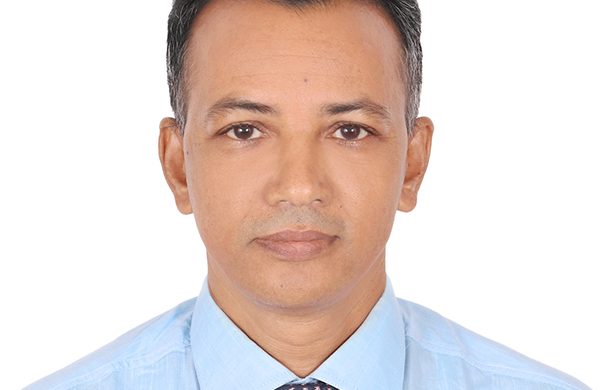
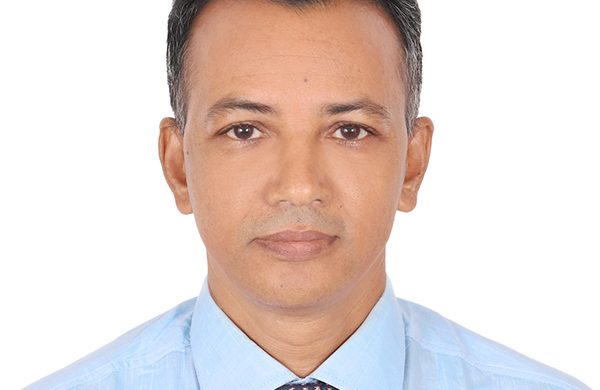
Author: Dr. Md. Anwar Hossain, Essayist, Writer and President of the International Anti-Drug Organization – Freedom International Anti-Alcohol. E-Mail: eddanwar@gmail.com
আপনার মতামত লিখুন :
Leave a Reply
More News Of This Category






NEWS OF DISTRICT