Dedicated Educationist and Social Worker Abdul Jabbar
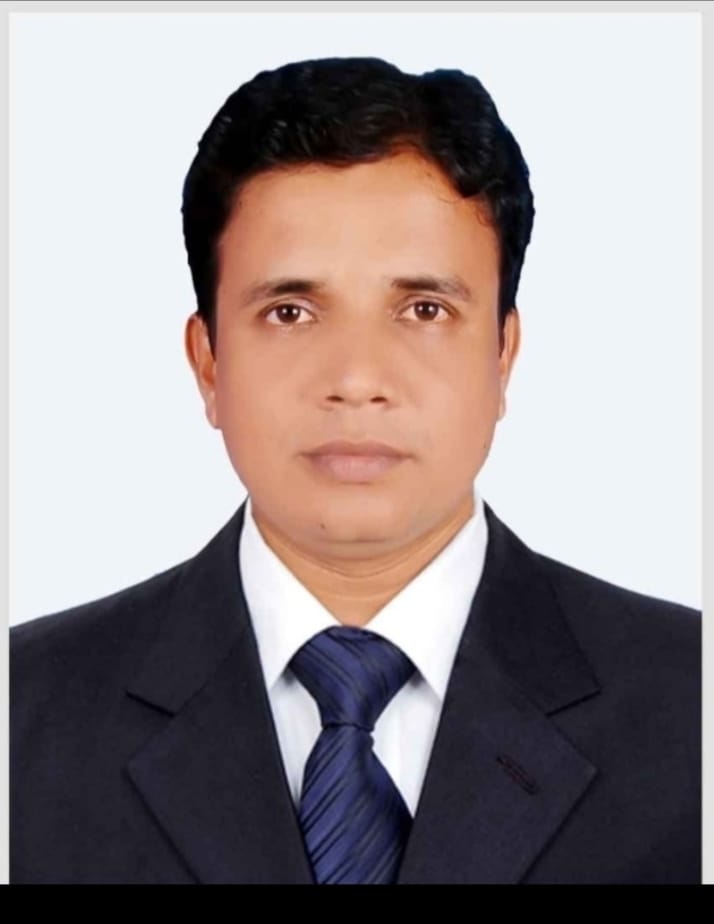
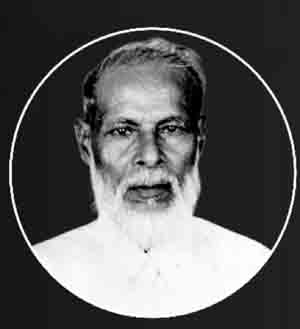
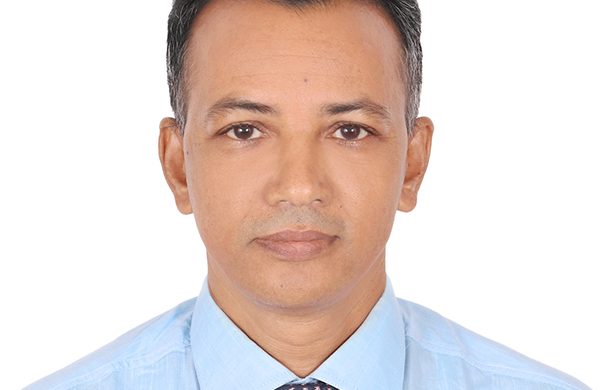
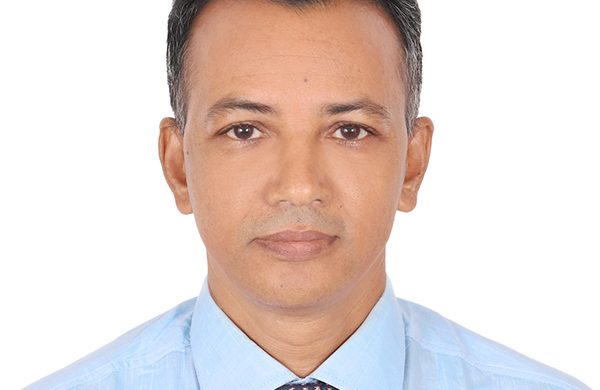
The true progress of a society depends on those individuals who rise above personal interests and dedicate themselves to the welfare of others. Throughout history, people devoted to education, humanity, and social service have illuminated society like guiding beacons. Abdul Jabbar was one such remarkable individual—widely known as a Fisheries Officer—who was a devoted education enthusiast, social worker, and humanist. His tireless efforts and deep humanitarian values established a shining example in society. Abdul Jabbar was born on January 5, 1926, in an aristocratic Muslim family in Berhampore Subdivision of Murshidabad District in undivided Bengal. His father, Mobarak Ali, was a devout man and the owner of vast landed property, while his mother was Lutfunnesa Begum. Growing up, Abdul Jabbar closely observed the social welfare activities of his ancestors, which profoundly shaped his character. He earned his I.Sc. degree from the renowned Ripon College in Kolkata and later obtained a B.Sc. degree from Islamia College. From an early age, he had a deep passion for education. Despite numerous challenges, he pursued learning with perseverance and integrity. His love for education later played a pivotal role in social development. After the partition of India, he moved to East Pakistan under the guidance and inspiration of his maternal uncle Advocate Abdus Sattar—who later became the Chief Justice—and his cousin Dr. Modachchher Hossain, DLO. Initially residing at Chief Justice Abdus Sattar’s residence in Armanitola, Dhaka, he soon began his professional career by joining the East Pakistan Fisheries Department as an officer. Abdul Jabbar was married to Khaleda Sultana Akter, daughter of Nazir Uddin—an MLA of the Assam Legislative Assembly and an Honorary Magistrate—hailing from Kona village (now known as Nazirabad village under Nazirabad Union) in Moulvibazar District. The couple was blessed with five sons and one daughter. Abdul Jabbar passed away on March 9, 2006. Abdul Jabbar firmly believed that “Education is the backbone of a nation.” With this conviction, he continuously reflected on expanding educational institutions in his locality. In consultation with Professor Ahmad Ali of Sunamganj Government College and other conscious citizens, he took initiatives that led to the formation of an organization called “Deeni Majlis.” Esteemed members included Maulana Md. Shawkat Ali, Md. Abdur Rahim, Professor Ahmad Ali, Abdul Jabbar, Abdul Gafur Chowdhury, Dr. Rezalul Haque, Konu Mia, Wazed Ali, among many others. Through collective discussions with community elders, religious education activities began at the old Jame Mosque of Shologhar, led by Maulana Ziaul Islam of Badeshwar. As children increasingly showed interest, it evolved into a regular maktab. Initially, Maulana Ziaul Islam was accommodated at Abdul Jabbar’s residence before later residing at the mosque. Alongside religious education, Abdul Jabbar deeply realized the importance of modern education. Through extensive discussions with local elders, a consensus emerged to establish an Alia Madrasa integrating both religious and modern curricula. In 1973, renowned scholar Maulana Abdul Latif (Fultoli Saheb) was invited to lay the foundation stone. A grand prayer and discussion meeting was held at the Shologhar Old Jame Mosque, attended by members of Deeni Majlis, community elders, and people from all walks of life. Fultoli Saheb stayed as a guest at Abdul Jabbar’s residence during his visit. In November 1974, a formal committee was formed with Professor Ahmad Ali as President, Abdul Jabbar as Secretary, and several respected individuals as members. With the support of the entire community, construction of the madrasa began. Despite illness, veteran leader and former MP Abu Hanifa Ahmed Chowdhury (Nabab Mia) inaugurated the bamboo pillars of the madrasa’s initial structure at Abdul Jabbar’s request. People from all sections of Shologhar voluntarily contributed to its construction. Over time, with the dedication of managing committees, principals, teachers, and staff, the institution evolved into what is now proudly known as Deeni Senior Fazil Model Madrasa. Until it received MPO status, Abdul Jabbar personally bore teachers’ salaries and operational expenses. He not only built institutions but also went door to door convincing guardians about the importance of education, significantly increasing literacy rates in the area. Recognizing Sunamganj’s backwardness—especially in female education—Abdul Jabbar strongly believed that “Women’s education is not merely a right; it is the key to societal progress.” Observing the inadequacy of having only one girls’ school since British times, he spearheaded efforts to establish another. Through discussions with then Sub-Divisional Officer Abdul Haque, a decision was made to establish Sunamganj Girls’ High School. A committee was formed with Abdul Jabbar as Secretary. He tirelessly oversaw land filling, construction, and administration. Today, the school stands as one of the district’s leading institutions. To ensure quality early childhood education, Abdul Jabbar played a key role in establishing Adarsha Shishu Shikkha Niketan kindergarten in 1976, alongside Dewan Obaidur Raja Chowdhury and other educationists. He was instrumental in rebuilding and expanding the school and served with dedication on its managing committee and trustee board. Understanding the importance of sports for youth development, he led initiatives to construct an alternative playground in Sunamganj town beyond the sole existing stadium. Through meetings with educators, administrators, and the Sub-Divisional Officer, land was requisitioned and the playground was constructed under a food-for-work program, overcoming numerous obstacles. Abdul Jabbar also promoted Islamic education and values by organizing Tafsir gatherings featuring internationally renowned scholars between 1977 and 1991. Many eminent Islamic thinkers, including Delwar Hossain Sayeedi, Maulana Abu Zafar Ahmad (Masum Saheb), Maulana Abdur Rahim, and others were hosted at his residence during their visits. He stood firmly against social evils. In 1977, upon learning of immoral activities near Gopalpur Madrasa, he personally intervened late at night to ensure administrative action, resulting in the immediate cessation of those activities. He actively participated in disaster relief, anti-drug movements, prevention of child marriage, and women’s empowerment. A prolific writer, he regularly contributed to newspapers on social issues. Following the political turmoil after the assassination of Bangabandhu Sheikh Mujibur Rahman in 1975, Abdul Jabbar courageously testified in court to defend detained Awami League leaders Abdul Zahur and Advocate Abdur Rois, asserting their integrity and service to the people. His testimony led to their release. Abdul Jabbar was humble, industrious, and principled. He never sought publicity, preferring silent service. He believed, “Serving humanity is the true success of life.” His simplicity and honesty earned him universal respect and affection. The educational and social contributions of Abdul Jabbar remain a lasting inspiration. In an age marked by selfishness and moral decline, individuals like him illuminate the path of hope. His ideals and legacy continue to live on in society. May the new generation follow his path and dedicate themselves to the welfare of humanity. Deep respect to Abdul Jabbar, Fisheries Officer.
Author: Lecturer, Jawa Bazar Degree College and Columnist.