Coordination meeting on hypertension held in Madaripur

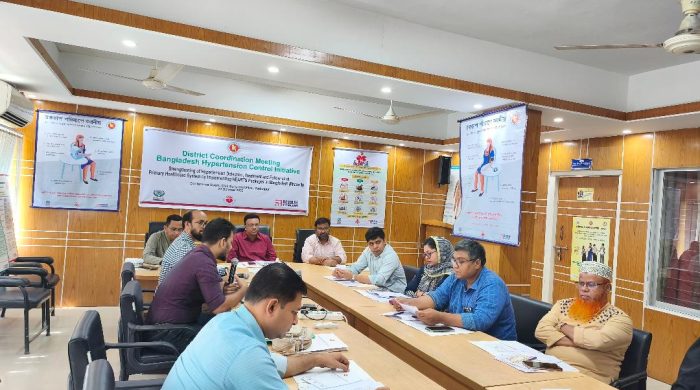
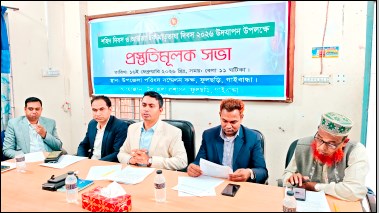
A coordination meeting was held in Madaripur district to control hypertension and non-communicable diseases (NCDs) in Bangladesh in line with national and global commitments.
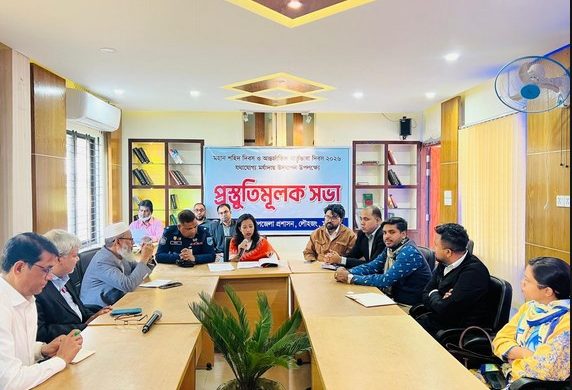
The coordination meeting was held at the conference room of the Civil Surgeon’s Office on Wednesday (October 29). The meeting reviewed the current progress of the Bangladesh Hypertension Control Initiative (BHCI) in Madaripur district and discussed the future work plan.
The meeting was chaired by Madaripur Civil Surgeon Dr. Mohammad Shariful Abedin Kamal.
Also present were BHCI and NHFB Deputy Program Director Dr. Shamim Zubair, Divisional Program Officer MD Sajjad Hossain, Surveillance Medical Officer Dr. MD Ahsan-uz-Zaman, Dr. Ikram Hossain, Medical Officer of Madaripur Civil Surgeon’s Office Sardar Mohammad Khaliluzzaman and other concerned officials and employees. According to relevant sources, non-communicable diseases (NCDs) are currently a growing threat to global public health. Cardiovascular disease (CVD), which is mainly caused by uncontrolled high blood pressure, is the leading cause of death worldwide. More than 10 million people die from this disease every year. The situation in Bangladesh is even more worrying. About 71% of the total deaths in the country are due to NCDs. Studies have shown that only 14% of hypertensive patients are able to control their blood pressure. At the same time, about 80% of hypertensive patients worldwide remain untreated, which is increasing the risk of premature death manifold. To address this crisis, the Bangladesh government is implementing the Bangladesh Hypertension Control Initiative (BHCI) under the Non-Communicable Disease Control Program (NCDC) of the Directorate General of Health Services. Currently, BHCI has expanded its activities to 310 Upazila Health Complexes in 44 districts of the country. So far, more than 6 lakh high blood pressure patients have been registered under this program and are receiving regular treatment. Patient tracking and follow-up have become easier through the program’s digital health app “Jharsarashab”.
According to the latest data, the blood pressure control rate has increased from about 20% to 60%, which is a breakthrough in public health. The key messages and future action plans discussed in the meeting are that regular training of health workers will be strengthened to ensure quality and evidence-based treatment, uninterrupted supply of free high blood pressure medicines will be ensured in Upazila Health Complexes and community clinics, digital health systems will be further strengthened to use data in patient tracking, monitoring and policymaking, multi-sectoral cooperation and community involvement will be increased, so that public awareness is increased and disease prevention activities are implemented more effectively. By strengthening primary healthcare, providing free medicines, developing digital health systems, and ensuring regular follow-up services, Bangladesh will achieve significant progress in meeting national and global commitments to reduce NCDs by 2030.